

felsic
Felsic (feldspar-silica) refers to silicate minerals, magmas, and rocks relatively enriched in the lighter elements such as silica, oxygen, aluminium, sodium, and potassium.
The sial is the upper layer of Earth's crust – the continental crust – and is rich in aluminum/silica minerals (granitic layer). Because felsic-sial rocks are lower in density than mafic-sima rocks, the continental crust 'floats' atop the deeper, denser sima crust. The Conrad discontinuity, arbitrarily set at 2800kg/m^3 marks the base of the sial where it grades into the basalts of the sima.
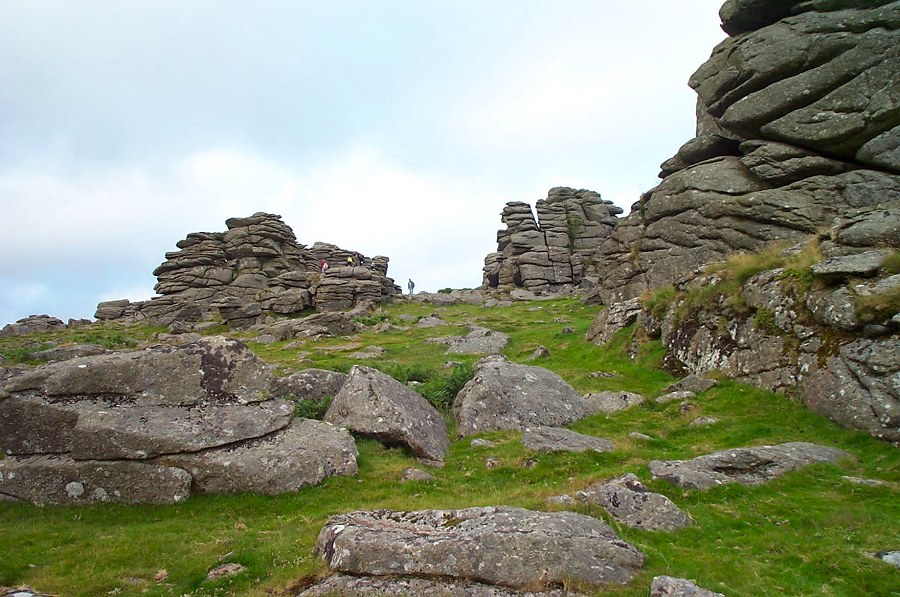
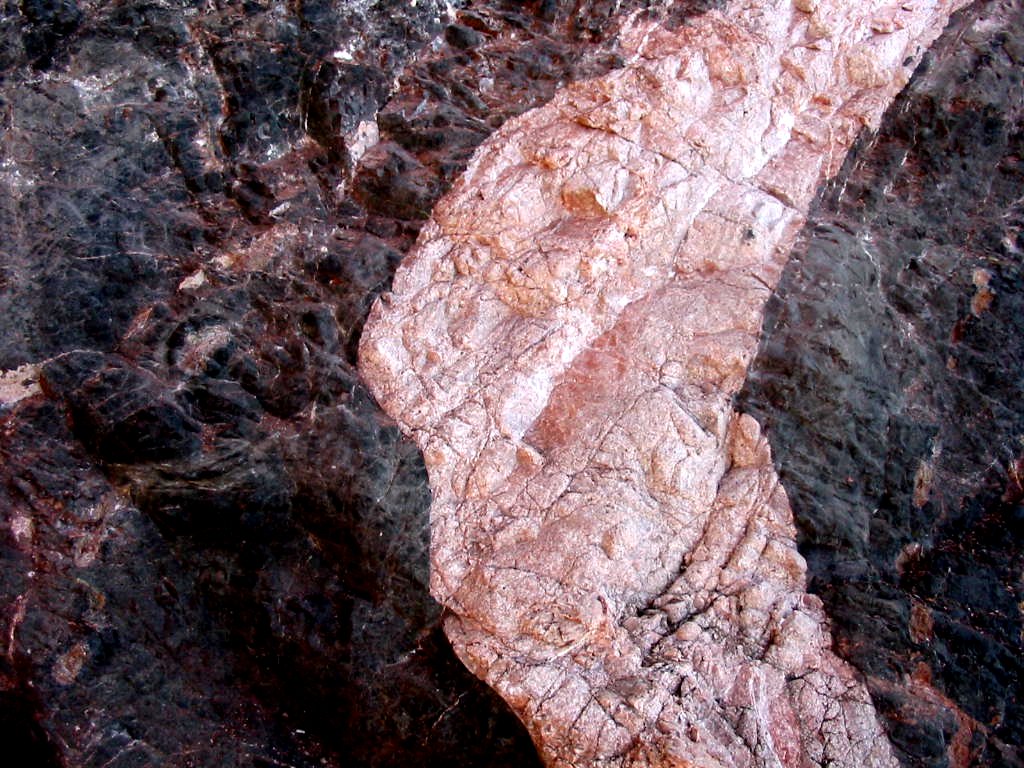
Felsic minerals are usually light in color, with specific gravities less than 3 (2700 - 2800 kg/m^3). Common felsic minerals include quartz, muscovite, hornblende, orthoclase, and the sodium rich plagioclase feldspars. Felsic rocks contain >75% felsic minerals. Granite is the most common felsic rock. Rocks with greater than 90% felsic minerals are also termed leucocratic, meaning 'light-coloured'.
The term acid rock, although sometimes used as a synonym for felsic rocks, refers to volcanic rocks with high silica content (greater than 63% SiO2 by weight) such as rhyolite.
Labels: Conrad discontinuity, feldspar, felsic, granite, leucocratic, rhyolite, sial, silica
| 0 Guide-Glossary